Hodma Energy
Bantu Technologies
The Future of Energy
Our Work
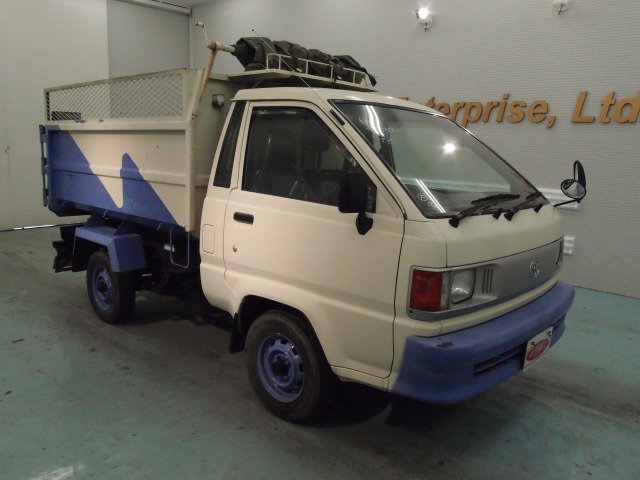
Collection
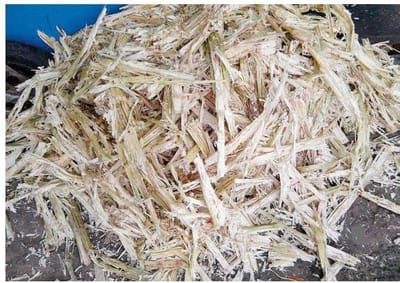
Hodma Energy collects sugarcane waste known as bagasse at every scale from street juice sellers to restaurants and from universities to sugar factories.
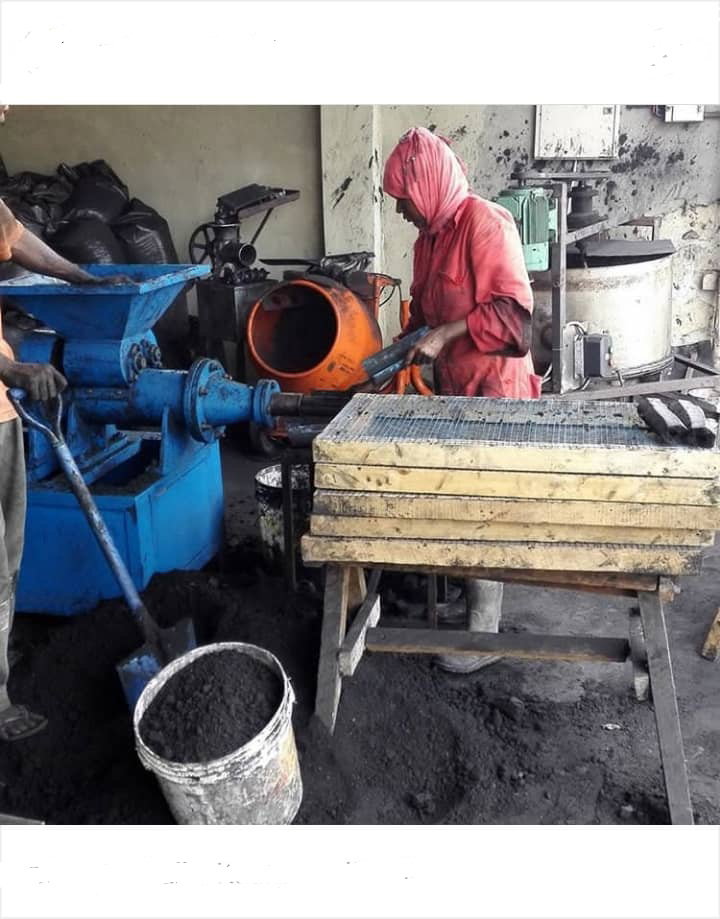
Manufacturing
Hodma Energy using clean technology manufacturing bagasse into biomass briquettes.
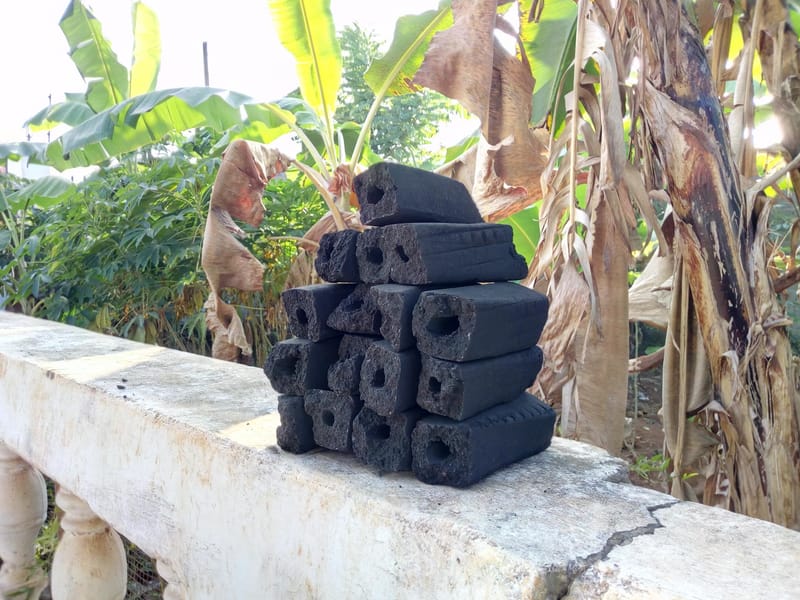
Product
Biomass Briquettes are high-performance, sustainable briquettes made from your recycled sugarcane waste for use in charcoal stoves. Prototype of biomass briquette is ready.
The Factory
The fact that global pollution is increasing day by day, trees being cut down for wood fuel, wetlands destroyed for human settlement and industrialization puts life on earth at risk of extinction. Efforts to save our planet are being recognized by different bodies and agencies internationally through awards and grants. Hodma Energy has started work on the idea to turn Municipal organic waste such as peelings into biomass briquettes in January, 2018. Our team have experience in innovating different products. Our core values are Team Work, Customer-Driven and Integrity.
What is a briquette?
A briquette is a block of carbonized, crushed and compressed organic waste material used as a cooking fuel. Briquettes replace the usage of conventional types of fuel such as wood charcoal and firewood, which helps to conserve trees. This helps to prevent releasing too much of CO2 into the atmosphere.
How briquettes are made
We produce briquettes from bio degradable municipal waste and agro waste. Below are the steps taken in production of briquettes.
Waste Collection and sorting
Agricultural waste material such as maize cobs, crop stems/residues, cow dung etc are acquired from farmers at a given fee to enable them attain an extra income from material they deemed waste. Municipal organic waste such as peelings, is collected from food markets, households and institutions. These are most times attained at no cost or very low cost.
Drying
On receiving all the waste, we sort them according to the different types and dried separately so as to ease the carbonization process. Some wastes such as Maize cobs are received dry hence taken for carbonization directly. Others are received moist such as banana peelings they can be either dried under direct sunshine or using a constructed solar drier depending on weather conditions
Carbonization
This involves the conversion of waste into carbon or char. This is done by using either a constructed large scale carbonizer or a fabricated small scale carbonizer. However, during training, we advise participants that if they cannot afford the above carbonizers, they can adopt an open air method of carbonizing
Crushing
The carbon material is then crushed into ne and medium particles using either an automated crusher or a manually operated crusher. The automated can either be run by electric motor or diesel engine
Mixing with a binder
The crushed carbon material is then mixed with a binder to bind the fine particles together during compression stage. The various binders that can be used include; cassava our, molasses, crushed dry banana peelings and any other material with a high starch content.
Compression
The mixture of the fine particles and binder is compressed either with an automated extruder that uses a screw system or manual extruder that uses a piston system. These compress and mold the material into different forms of briquette which is taken for drying.
Drying
This takes 2-3 days depending on the weather conditions. A solar drier or direct sunlight can be used to dry the briquettes.
Packaging
Briquettes are then packed in paper bags for small consumers such as homesteads and in plastic crates for large consumers such as institutions.
Team
Suleiman Salum Suleiman
Founder & CEO
Suleiman Salum Suleiman is the founder and chief executive officer at Bantu Technologies where he is responsible for the company’s corporate strategy, partnerships, expansion, chief go-to-market and commercialization of its products and services.
Juma Hassan Juma
CTO
Juma Hassan Juma is a co-founder and chief technology officer at Bantu Technologies where he leads the technical strategy of the company's products and services.
Rashid Mussa Kurwa
Chief Operation Officer
Rashid Mussa Kurwa is a co-founder and the chief operations officer at Bantu Technologies where he is responsible for the company’s operations including all logistics, administration, legal affairs, intellectual property management and strategy, human resources and its overall local business development, digital and online marketing.
Mohammed Zahor Moh'd
Creative Director
Mohammed Zahor Moh'd is a co-founder and serves as a Creative Director for Bantu Technologies. Choosing to apply his capabilities with focus, he is helping define the Bantu Technologies brand and translate it creatively, ultimately connecting it to the right people, the right way, at the right time.
About

Background
Bantu Technologies Company Limited. The company was founded in 2018 by Suleiman Salum initially as Bantu Recycle Project aimed at equipping youth with practical and entrepreneurial skills in waste management, clean energy production and smart agriculture. For sustainability Bantu technologies company limited was registered as a company to produce and supply fuel briquettes, construct stoves and provide consultation and training services.
Our Mission
To use income generation as an initiative to promote proper waste management practices while protecting the environment from pollution and deforestation.
Our Vision
To become one of the international clean technology companies in Africa. To spread our branches to other continents.
Our Objectives
- To reduce on deforestation by providing alternative sources of cooking energy produced from agricultural waste.
- To improve sanitation and hygiene in all communities by promoting waste recycling as a business.
- To create decent income generating opportunities for youth and women from slums and rural farming communities by equipping them with practical and entrepreneurial skills in production, marketing and selling of modern clean cook stoves and carbonized charcoal briquettes.
- To lead the transition of institutions such as schools, universities and prisons from firewood consumption to use of clean cooking briquettes.
Contact Us
- Mpendae,Zanzibar,Tanzania
- P.O. Box 333
- +255779595180
- ahmeify@outlook.com
- Monday to Sunday 7.00am - 5.30pm